Mangiarelli Rehabilitation Physical Therapy Blog

Return to Throwing Using the Rebounder for Shoulder Rehabilitation
Throwing injuries to the shoulder among baseball players are very common, often due to overuse and repetitive high stress of overhead throwing. Rehabilitation after a shoulder injury involves a gradual restoration of range of motion, strength, muscular endurance, dynamic stabilization, and neuromuscular control via targeted therapeutic exercise, manual therapy, rebounder therapy, and aquatic therapy. When preparing for a return to throwing, using the rebounder can be a highly effective way to prepare the shoulder gradually and safely for the dynamic act of throwing. Mangiarelli Rehabilitation physical therapist Bobby demonstrates a return to throwing progression using the rebounder to rehabilitate after a shoulder injury.

How Pelvic Floor Therapy Can Support Women with Endometriosis
March is National Endometriosis Awareness Month. Endometriosis is a condition that occurs when the endometrium grows outside of the uterus in the pelvic and abdominal areas, causing inflammation, pain, and adhesions in the pelvic area. Endometriosis can also cause muscles in the pelvis to tighten, spasm, and thicken as they respond to tension patterns from the condition, causing pelvic floor dysfunction. Pelvic floor therapy can help alleviate pelvic floor symptoms related to endometriosis, reducing endometriosis-related pelvic pain and pelvic floor muscle tightness, minimizing “endo belly” occurrence, addressing urinary and bowel issues, and helping make sex less painful through targeted reconditioning of the pelvic floor muscles.

The Role of Nutrition after Joint Replacement Surgery
Joint replacement surgery is a complex surgery that places significant stress on your body and increases your nutritional needs as you heal and recover. Adequate nutrition during recovery from surgery can help to control inflammation, provide the necessary nutrients to rebuild and restore injured tissue, decrease the risk of muscle atrophy, and preserve muscle strength. Eating a high-quality, fiber and antioxidant-rich, anti-inflammatory diet post-surgery can play a pivotal role in your body’s healing process and recovery. Check out our tips for the top nutrients to consume post-joint replacement surgery!

Preventing Knee Pain during Spring Gardening
As we step into spring, many of us are planning and starting our gardens, weeding, raking, and preparing for planting. Gardening has numerous health benefits: building strength, promoting sleep, boosting mood, and getting quality sunshine and Vitamin D. However, gardening does place stress and strain on joints and muscles when digging, planting, weeding, mulching, and raking, particularly the knee. Gardener’s knee is a common gardening-related injury that involves inflammation, swelling, and pain in the bursa at the front of the kneecap. To prevent knee pain when gardening, check out our gardening injury prevention tips!

How Physical Therapy Can Help After a Soccer Concussion
A concussion is a mild traumatic brain injury that can result in disrupted neurological function and cause a wide range of physical, cognitive, and behavioral symptoms. The sport of soccer poses a significant risk for concussions and head injuries. During soccer, the head is at risk of contact with the ground, with soccer goalposts, with the ball, and with other players’ heads, elbows, knees, or feet. Physical therapists can effectively manage concussion injuries through evidence-based treatment and a careful, personalized rehabilitation program.
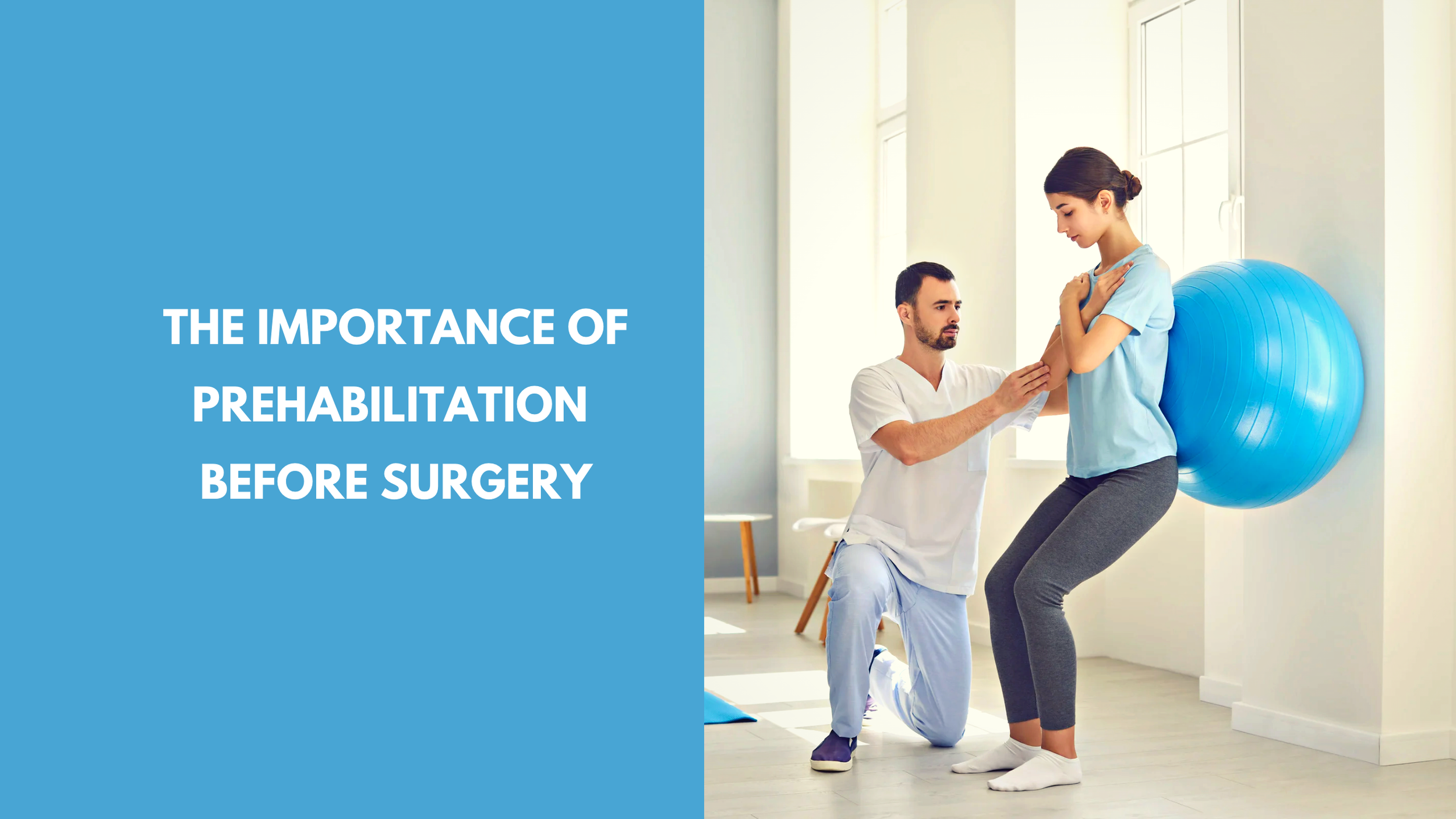
The Importance of Prehabilitation Before Surgery
Prehabilitation has numerous benefits for pre-surgery patients. Prehabilitation is an individualized exercise conditioning program that prepares the body for the stresses of surgery, manages symptoms, and helps restore function in the injured area as much as possible prior to surgery. Prehabilitation, or “prehab,” works on improving a patient’s movement, flexibility, and strength before surgery to set them up for a successful recovery after surgery. Prehab has been shown to shorten recovery time and a patient’s hospital stay, reduce post-surgical pain and inflammation, and increase strength, stamina, and mobility.

March 2023 Newsletter
Check out our March 2023 Newsletter, highlighting physical therapy for frozen shoulder, our spring donation drive, how physical therapy can slow the aging process, and how to prevent an ankle sprain.
![10 Tips for Exercising in the Cold [Infographic]](https://images.squarespace-cdn.com/content/v1/5e419cdc97af032560004b99/1677601209580-XLA6PQF5WFMSOPH9BY3B/Blog+Infographic+Exercise+Cold.png)
10 Tips for Exercising in the Cold [Infographic]
Check out our latest blog highlighting 10 tips for exercising in the cold. Exercising outdoors, even in winter, can be very beneficial. Exercising in the cold can actually help you burn more calories, enhance your endurance, positively affect your metabolism, and improve your mental health. However, it is important to take precautions when exercising outdoors in the cold to stay safe. Check out our 10 tips to safely exercise outdoors in the cold!

How Physical Therapy Can Slow the Aging Process
Aging can be accompanied by physiological changes in the body that may limit your physical function, strength, balance, and mobility. However, research has shown that physical exercise can prevent age-related decline, delay loss of physical function, and reduce the risk of fall-related injuries. Physical therapy can help slow the aging process through customized and targeted exercise interventions that help seniors maintain and improve strength, function, mobility, balance, and vitality safely.
![Physical Therapy for Plantar Fasciitis [Infographic]](https://images.squarespace-cdn.com/content/v1/5e419cdc97af032560004b99/1676924237297-6EW77TVH6ROZBE52C27J/Tw+PF+infographic.png)
Physical Therapy for Plantar Fasciitis [Infographic]
Plantar fasciitis is a common foot condition that develops when repeated activities strain the plantar fascia of the foot, which is a thick band of tissue that runs along the bottom of the foot and supports the arch of the foot. When individuals perform repetitive weight-bearing and impact-loading activities over days, months, and years, this can lead to microtears and chronic inflammation of the plantar fascia. Physical therapy is highly effective in treating plantar fasciitis, helping reduce pain, restore function and strength in the foot, improve foot mechanics, and address the root cause of the condition.

Physical Therapy for a Lisfranc Injury
The Lisfranc joint is a complex joint in the midfoot where the metatarsal bones connect to the rest of the foot, providing stability to the foot, supporting the arch of the foot, and allowing you to walk and run with ease. A Lisfranc injury involves a fracture or dislocation of the metatarsal and tarsal bones of the midfoot or a sprain of the ligaments of the midfoot, leading to significant pain, dysfunction, and difficulty walking or running. Physical therapy after a Lisfranc injury and surgery can help you manage pain and swelling, improve lower extremity mobility and strength, restore normal walking ability, and safely return to activity and sports competition.

How to Prevent an Ankle Sprain
Ankle sprains are one of the most common sports injuries that occur when the foot twists beyond its normal range of movement, causing the ankle's ligaments to overstretch or tear. If you do not receive timely and effective treatment after your first ankle sprain, the risk of recurrent ankle sprains and chronic ankle instability is high. It’s essential to work with a physical therapist to address an ankle sprain and restore ankle joint biomechanics, strength, and balance safely before returning to sport or activity.

Physical Therapy for Frozen Shoulder
Frozen shoulder is characterized by structural changes in the shoulder joint, primarily thickening of the tissues of the shoulder joint capsule which “freezes” movement and range of motion in the shoulder. Frozen shoulder can result from diabetes, thyroid disease, Parkinson’s disease, or due to a period of enforced immobility of the shoulder due to trauma to the joint, shoulder surgery, or overuse injuries to the shoulder. Physical therapy is the first line of treatment for frozen shoulder and is highly effective in speeding up the recovery process and regaining shoulder mobility at any stage of the condition.

How Exercise Can Prevent and Reverse Heart Disease
Heart disease is a systemic cardiovascular disease that can lead to serious cardiac events, such as high blood pressure, heart attack, heart failure, and heart rhythm abnormalities. Regular exercise not only can help prevent the onset and development of cardiovascular disease but also is a critical therapeutic tool to improve outcomes for those with heart disease. Physical therapy can help reduce the risk of developing heart disease and improve the function of those with heart disease through a personalized exercise program to improve aerobic capacity, strength, and endurance safely.

February 2023 Newsletter
Check out our February 2023 Newsletter, highlighting addressing gait dysfunction with physical therapy, tips for managing swelling after injury, physical therapy for spondylolysis, and chronic knee pain causes & treatments.

Physical Therapy After a Calf Strain
A calf strain involves injury to or tearing of the muscles in the back of your leg below the knee, primarily the gastrocnemius and soleus muscles. Calf strains are common among athletes who perform stop-and-go movements with quick bursts of speed, such as sprinters, football players, and soccer and tennis players. Physical therapy can help reduce pain, restore muscle strength and flexibility, and increase the speed of recovery through a progressive rehabilitation program to prepare the athlete for a safe return to sport.

Physical Therapy for Thoracic Outlet Syndrome
Thoracic outlet syndrome occurs when the nerves, arteries, or veins that run between your collarbone and the highest, first rib are pinched or compressed. The most common type is neurogenic thoracic outlet syndrome (TOS), in which weak or tight muscles cause the brachial plexus to be pinched and inflamed, often caused by repetitive overhead activities and heavy lifting. Physical therapy is the first line of treatment for neurogenic TOS, utilizing manual therapy, postural retraining, and targeted strengthening of the scapular muscles to relieve symptoms and improve function.

Tips for Managing Swelling After Injury
Swelling is a natural part of the inflammatory process after an injury to help protect the injured area and facilitate healing as the body sends white blood cells and supportive fluids to the injured site to repair and heal. However, prolonged swelling can limit your range of motion and negatively affect your muscular strength. It is important to manage and limit swelling with the help of a physical therapist. Check out our 7 tips to manage swelling after injury!

Addressing Gait Dysfunction with Physical Therapy
Mangiarelli Rehabilitation physical therapist Bobby demonstrates several gait training exercises to address gait dysfunction after a lower extremity knee injury. Gait dysfunction refers to changes in your normal walking pattern, often related to a lower extremity injury, disease, or underlying medical condition. Physical therapists are experts at addressing the root cause of your gait dysfunction and designing customized treatments to restore your gait and improve your function.

Chronic Knee Pain Causes and Treatment
Chronic knee pain, which affects one in four Americans, can be debilitating and limit your function and mobility. Chronic knee pain involves ongoing pain, swelling, and sensitivity in the knee that lasts more than 4-6 months and can result from a traumatic injury that healed incorrectly or from medical conditions like osteoarthritis. Physical therapy can help you manage chronic knee pain long-term without the need for surgery to reduce pain and improve your mobility and function.
Follow us on Social Media