Mangiarelli Rehabilitation Physical Therapy Blog

Physical Therapy for IT Band Syndrome
Iliotibial band syndrome (ITBS) is a common overuse injury among runners and cyclists in which the IT band becomes inflamed and painful due to repetitive stress on the IT band. The IT band is a thick band of connective tissue that extends from the pelvis to the tibia, connecting to the outside of the tibia just below the knee. Physical therapists can treat IT band syndrome to lessen pain, restore movement, and return to activity and sport safely through targeted strengthening, gait training, manual therapy, and functional training.
![Breast Cancer-Related Lymphedema [Infographic]](https://images.squarespace-cdn.com/content/v1/5e419cdc97af032560004b99/1634219007924-NG25RTDSP2VFSV1AKLGH/Blog%2525252BBCRL%2525252BInfogr.jpg)
Breast Cancer-Related Lymphedema [Infographic]
Breast cancer-related lymphedema can develop in 1 in 5 breast cancer survivors following surgery or treatment that damages or removes lymph nodes. Lymphedema is a build-up of fluid under the skin due to inadequate drainage of the lymphatic system that leads to swelling in the affected area. A certified lymphedema physical therapist can help you manage lymphedema through complete decongestive therapy. Check out our infographic to learn more!

Physical Therapy for Knee Osteoarthritis
On World Arthritis Day, we are explaining physical therapy treatment for knee osteoarthritis. Knee osteoarthritis is a degenerative joint disease characterized by knee pain, stiffness, and decreased strength. Physical therapists can help to reduce knee osteoarthritis symptoms, slow the progression of the disease, and create a customized, comprehensive program of exercise and manual therapy to help knee osteoarthritis patients move safely and improve function, strength, and range of motion in the knee joint.

15 Physical Therapy Myths: Debunked
In honor of National Physical Therapy Month, we are debunking 15 common myths about physical therapy on the blog. October is a month to celebrate and recognize the dedication of each of our physical therapists and physical therapy assistants at Mangiarelli Rehabilitation. Our focus is providing patient-centered, evidence-based physical therapy treatment customized to each patient’s specific condition. However, there are a number of misconceptions about physical therapy and what physical therapists do that we address and explain today!

October 2021 Newsletter
Check out our October 2021 Newsletter that highlights the benefits of work conditioning, tips to avoid raking injuries this autumn, debunking common myths about knee pain, our fall donation drive for kid’s toys, and celebrating National Physical Therapy Month!

Hamstring Strengthening Exercises
Hamstring injuries are one of the most common sports injuries, particularly in sports requiring high speed, agility, and explosive power. The hamstring muscles are critical for lower body movement, bending the knee to run and jump and controlling actions such as kicking. Preventing hamstring injury is essential and can be achieved through a targeted strengthening program. On the blog, Mangiarelli Rehabilitation physical therapist Mike demonstrates exercises you can do to strengthen your hamstring muscles.
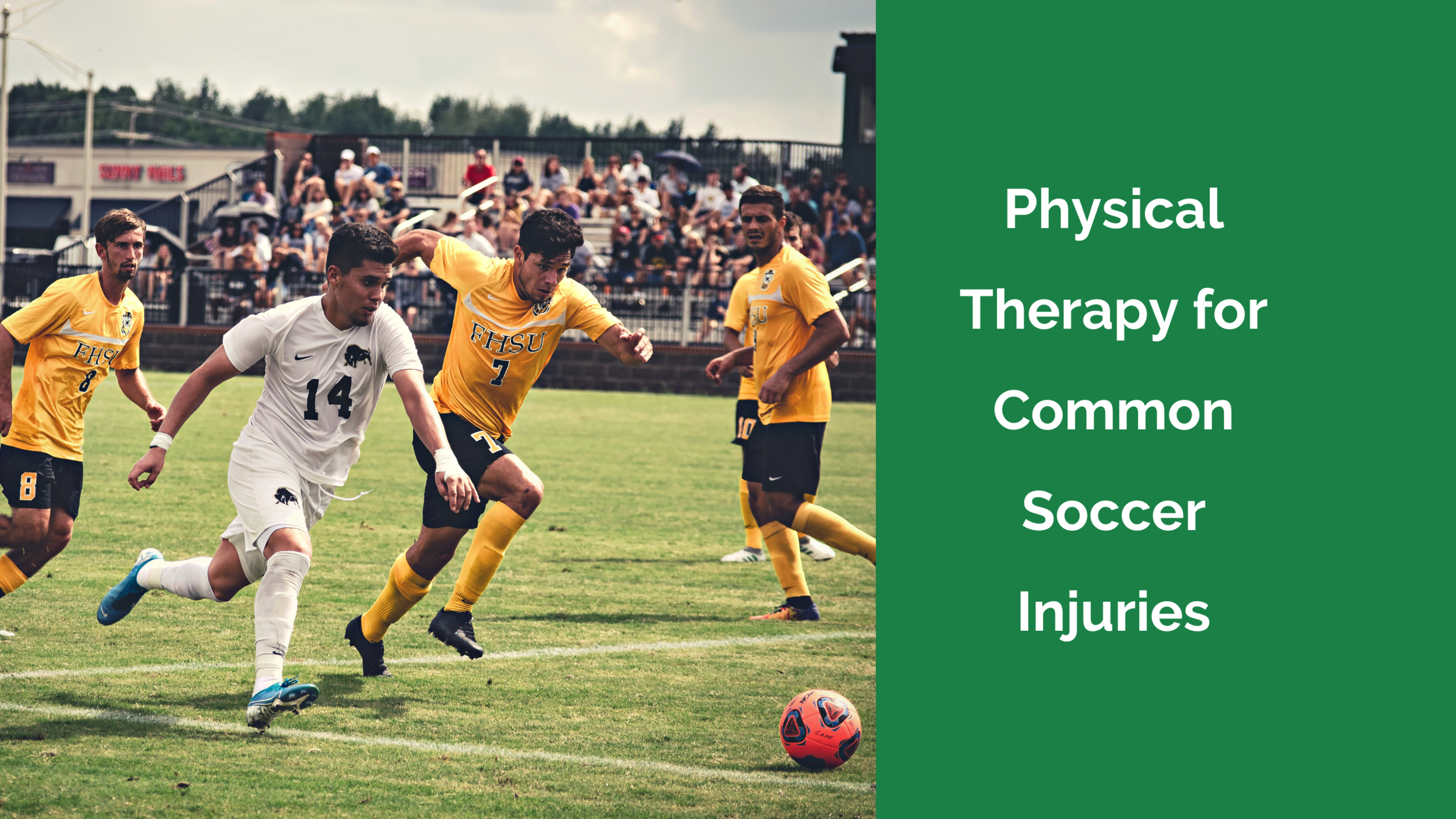
Physical Therapy for Common Soccer Injuries
Soccer is an incredibly popular sport with over 13 million Americans playing soccer, three million of whom are youth soccer players. Due to the intensity of soccer’s kicking, sprinting, fast changes in direction, and contact and the increase in year-round competition, both traumatic and overuse injuries can occur. Most soccer injuries occur in the lower extremities, particularly to the ankle, knee, and hamstrings. Physical therapists can help soccer players recover from injury safely through a comprehensive rehabilitation program.

What is Work Conditioning and What Are Its Benefits?
Work conditioning is a customized program for the injured worker designed to help the worker regain strength, mobility, motor control, aerobic capacity, and functional skills to safely return to work. Upon completion of the work conditioning program, the physical therapist conducts a functional capacity test to determine the injured worker’s readiness to return to work. Work conditioning reduces the risk of a worker’s re-injury and provides the worker and employer the confidence that the worker can make a safe, sustainable return to work.

Tips to Avoid Autumn Raking Injuries
The season of autumn brings spectacular fall foliage. However, once the vibrant beauty of the colorful leaves fades, we are left with the job of raking and bagging enormous amounts of leaves. Weekly leaf raking can take a toll on your body, particularly if you are engaging in incorrect biomechanics that strain your back, neck, and shoulders. Check out our tips to help you avoid injury when raking this fall!

10 Most Common Myths About Knee Pain
Is it Fact or Fiction? Our latest blog debunks the 10 most common myths about knee pain. Knee pain is one of the most common orthopedic conditions that lead patients to seek physical therapy. Physical therapy provides a safe, non-invasive, and effective way to reduce knee pain, improve mobility and strength, and restore function to the knee.

10 Tips to Prevent Cheerleading Injury
Check out our 10 tips to prevent injury during cheerleading. Cheerleading involves intense gymnastics tumbling, partner stunts, lifts, and tosses. The physical demands of cheerleading contribute to injuries to the ankle, wrist, shoulder, knee, back, neck, and head. Physical therapists can help cheerleaders not only safely heal from an injury sustained during cheerleading, but also help prevent injury through a targeted conditioning and strengthening program.

Physical Therapy for Common Football Injuries
Football is a high-contact sport with one of the highest sport injury rates. Common football injuries include concussions, ACL tears, ankle sprains, turf toe, shoulder dislocation, rotator cuff tears, and hamstring strains. Physical therapy provides effective treatment for football-related injuries, helping the athlete to safely recover and return to sport when fully healed. Physical therapists help athletes regain strength, function, and range of motion through a targeted therapeutic exercise and strengthening program while managing pain and minimizing the risk of future injury.

#PainAwarenessMonth: Physical Therapy for Chronic Pain
September is #PainAwarenessMonth. While pain is an important survival mechanism to protect an injured area of the body, chronic pain is persistent pain that lasts beyond the normal healing process. Chronic pain develops when the nerves that communicate pain to the brain become hypersensitive, causing the brain to perceive that area of the body as a potential threat and therefore painful. Physical therapy offers safe and effective treatment for chronic pain, reducing pain and improving mobility, strength, and function.

September 2021 Newsletter
Check out our September 2021 Newsletter which highlights Mangiarelli Rehabilitation’s commercial on 21 WFMJ, 2020 PTA Kent State Clinical Instructor of the Year awarded to our physical therapist, Jen, 8 tips for back-to-school ergonomics, and exercises to stabilize the shoulder.

Choose Physical Therapy for Safe Pain Management
Physical therapy is a safe and effective alternative to manage pain and reduce the use of opioids. Over the last two decades, opioid prescription rates have quadrupled. Opioids pose a significant risk with serious side effects like depression, addiction, and possible overdose. In 2016, the CDC recommended physical therapy and prescribed exercise as a safe alternative to managing long-term pain and preventing opioid use and addiction.

Exercises to Stabilize and Strengthen Your Shoulder
Mangiarelli Rehabilitation physical therapist, Sarah, demonstrates three exercises you can do to stabilize and strengthen your shoulder. The shoulder is a complex joint that allows for a significant amount of mobility and is stabilized by the surrounding shoulder musculature on and around the shoulder blade. Shoulder instability involves increased laxity of the shoulder joint in which the joint can “slip” in and out of the socket. A physical therapist can address shoulder instability and increase shoulder strength and stability through an exercise program that targets the rotator cuff muscles, scapular muscles, and lower and upper back muscles.
![8 Tips for Back-to-School Ergonomics [Infographic]](https://images.squarespace-cdn.com/content/v1/5e419cdc97af032560004b99/1629736011350-86ISLZKCLQRXWH27EJS3/Blog+BTS+Ergo+Infographic.png)
8 Tips for Back-to-School Ergonomics [Infographic]
Check out our latest infographic with 8 Tips for Back-to-School Ergonomics! Carrying a school backpack can have significant biomechanical, physiological, and discomfort impacts on the wearer and can contribute to neck, back, and shoulder pain. Learn how to address body mechanics, posture, and the proper use of school-related equipment to protect students’ necks, shoulders, and backs from pain or injury with our back-to-school ergonomics tips!

Physical Therapy for Volleyball Injuries
Volleyball is a dynamic sport that requires a high level of repetitive overhead motion and dynamic power and control, placing a great deal of stress on the shoulders, knees, and ankles. The most common volleyball-related injuries include ankle sprains, patellar tendinitis, ACL injuries, and rotator cuff tendinitis. A physical therapist can treat each of these injuries and help the athlete regain strength, range of motion, and mobility in the injured area for a safe return to sport. Physical therapists also help volleyball players prepare for a successful volleyball season and prevent injury through a comprehensive training program.

Tips to Minimize Your Risk of ACL Injury
Check out our tips to minimize your risk of ACL injury! Preventing ACL injury saves an athlete from physical trauma, an interrupted sports season, and intensive rehabilitation. ACL injuries are most common in sports that involve pivoting, landing, and sudden changes in direction. Sports medicine physical therapists can design ACL injury prevention programs for athletes that include strengthening exercises, balance and agility drills, and jumping and landing technique training

Preventing Cross Country Injuries
Check out our 8 tips to prevent cross-country injuries! Cross country is an outdoor endurance sport that involves running along a trail of natural terrain. The repetitive impact of running on irregular natural terrain can heighten the risk of injury in cross-country runners. Following a training regimen that incorporates cross-training and targeted strengthening plays a crucial role in preventing cross country injuries during the season. A physical therapist can not only effectively treat any injuries that occur, but also help cross country runners prepare for a successful season through a customized exercise program.
Follow us on Social Media