Mangiarelli Rehabilitation Physical Therapy Blog

Physical Therapy for Sacroiliac Joint Dysfunction
Sacroiliac joint dysfunction involves pain and altered function in the sacroiliac joints of the pelvis and is often associated with low back pain. The sacroiliac joint absorbs shock placed on the lower body to reduce pressure felt in the lower spine. Physical therapy is an essential component of sacroiliac joint dysfunction rehabilitation, reducing pain and restoring normal pelvic symmetry through therapeutic exercise and manual therapy.

Exercises to Relieve Knee Pain
Knee pain is one of the most common orthopedic conditions that physical therapists treat and a frequent cause of chronic pain. Knee pain can restrict movement, limit muscle control in the affected leg, and reduce the strength and function of the muscles that support the knee. Physical therapists can effectively treat and address all types of knee pain, easing pain and restoring movement and function. On the blog, Mangiarelli Rehabilitation physical therapist Bobby Mangiarelli demonstrates physical therapy exercises to relieve osteoarthritis knee pain.
![Osteoporosis Management with Physical Therapy [Infographic]](https://images.squarespace-cdn.com/content/v1/5e419cdc97af032560004b99/1625493497168-C4TFZ68Z1T1X8BE08RXH/Blog+Osteo+Infogr.png)
Osteoporosis Management with Physical Therapy [Infographic]
Osteoporosis is a common bone condition characterized by low bone density, decreased bone strength, and thinning and weakening of the bone, which lessens the bone’s ability to withstand typical forces and increases the risk of fracture. Physical therapy plays an important role in preventing and managing osteoporosis through a customized therapeutic exercise program. Check out our infographic to learn more!

July 2021 Newsletter
Check out our July 2021 Newsletter which highlights return to sport testing at Mangiarelli Rehabilitation, how to manage headaches and migraines with physical therapy, shin splints treatment with physical therapy, and the benefits of summer sports conditioning.

Improving Your Golf Swing with Physical Therapy
Summer is peak season for both the amateur and professional golfer involving hours spent on the golf course. The golf swing is one of the most dynamic motions in sports, placing an immense amount of stress on the body. If the body is not properly prepared for the golf season, a golfer may engage in faulty swing mechanics, resulting in injury and lowered performance. A physical therapist can help you improve both the consistency and power of your golf swing and address any strength, balance, or biomechanical issues that are negatively impacting your golf swing.

Tips to Handle the Heat with Arthritis
Arthritis is the leading cause of joint pain in the United States. Arthritis is a chronic, progressive condition causing inflammation, swelling, pain, and stiffness in joints. Whether you are dealing with osteoarthritis, rheumatoid arthritis, or psoriatic arthritis, summer heat and weather can affect your arthritis and worsen symptoms. Check out our tips to handle the heat and manage arthritis during summer!

Managing Lymphedema in Summer
Lymphedema is a condition that results in chronic swelling due to an abnormal collection of protein-rich fluid just below the skin often due to lymph vessel or node damage from cancer treatment, radiation, and surgery. The summer sun and summer heat can contribute to increased swelling and risk of infection in lymphedema patients. To prevent the worsening of lymphedema during the summer heat, check our tips to manage lymphedema this summer!

Return to Sport Testing at Mangiarelli Rehabilitation
Return to sport testing is critical to ensure that an athlete is ready to return to competition and to prevent future re-injury. Return to sport testing is most commonly performed after ACL reconstruction and rehabilitation. At Mangiarelli Rehabilitation, our sports medicine physical therapists provide a thorough, evidence-based functional return to sport test for athletes of all ages. Check out our video below to learn more about the return to sport testing process after ACL rehabilitation at our clinic!

The Role of Physical Therapy in Men’s Health
Physical therapy plays a critical role in restoring men to optimal health through treatment of a variety of musculoskeletal and health issues, including work and sport-related injuries, post-surgical rehabilitation, chronic pain, incontinence, sexual dysfunction, and TMD. June is Men’s Health Month and June 14-20 marks Men’s Health Week, a time to highlight the importance of men’s health, early treatment of disease and injury, and development of sustainable healthy habits.

Managing Migraines & Headaches with Physical Therapy
Migraines and headaches can be debilitating, limiting daily activities, work, and quality of life. While neuro-vascular, nutritional, and chemical imbalances can trigger migraines and headaches, musculoskeletal dysfunction in the neck and shoulders is a common cause of headaches and can contribute to the development of a migraine. Physical therapy can ease headache and migraine symptoms, addressing the underlying neuro-musculoskeletal causes for safe and sustainable management of chronic headaches and migraines.

How to Heal Shin Splints with Physical Therapy
Shin splints are a common athletic injury, causing pain and tenderness in the shinbone and muscles. Shin splints often occur due to too much repetitive force placed on the shinbone and muscles too soon, particularly when athletes first begin a sports season. Physical therapy can help reduce pain, strengthen the affected muscles, and maintain fitness to help athletes return to sport safely. Check out our infographic to learn how to heal shin splints with physical therapy!

Physical Therapy for a Sports Hernia
A sports hernia is a soft tissue injury that occurs in the groin area, involving a strain or tear in a muscle, tendon, or ligament deep in the abdominal wall. A sports hernia is often due to intense repetitive or explosive twisting movements or sudden changes in direction and commonly affects soccer, football, rugby, and hockey players. Physical therapists play a critical role in helping an athlete recover from and return to sport safely after a sports hernia.

June 2021 Newsletter
Check out our June 202 Newsletter, which includes our Achilles Tendonitis Infographic, a spotlight on Mangiarelli Rehabilitation as the Reader's Choice Award Winner: #1 Rehab Center in Trumbull County, Mangiarelli Rehabilitation in the news discussing therapeutic boxing for Parkinson’ disease, and celebrating men’s health month in June.

Physical Therapy for Dancers
Dance is a full-body sport and art form, demanding incredible muscular strength, flexibility, and stamina. Dancers engage in long hours of training and performance, requiring extraordinary feats of athleticism, repetitive movements, and extreme flexibility. Due to the intense physical demands of dance, dancers are susceptible to injuries of the ankle, foot, leg, and lower back. Physical therapy can effectively treat dance-related injuries for a safe return to dance, helping the dancer regain full function and range of motion, addressing muscle imbalances, improving strength and conditioning, and providing bio-mechanical analysis for injury prevention.
![Physical Therapy for Multiple Sclerosis [Infographic]](https://images.squarespace-cdn.com/content/v1/5e419cdc97af032560004b99/1621950706897-KJNOQ1G2WD395N5UQ2EN/1.jpg)
Physical Therapy for Multiple Sclerosis [Infographic]
Multiple sclerosis is a disease of the central nervous system in which the myelin sheath surrounding the nerve cells of the brain and spinal cord is damaged. This can lead to a variety of symptoms, including fatigue, difficulty walking, coordination issues, and muscle stiffness and spasticity. Physical therapy plays a key role in rehabilitation and conserving functional abilities in those with multiple sclerosis. Check out our infographic on physical therapy for multiple sclerosis to learn more!

How to Exercise Safely with Arthritis
Arthritis is one of the leading causes of joint pain among American adults. Arthritis is a chronic, progressive condition that causes inflammation, swelling, pain, and stiffness in one or more joints. Exercise is one of the best ways to improve arthritic pain, stiffness, and decreased range of motion in your joints. A physical therapist can develop a customized and effective exercise program to improve your mobility and function and decrease pain safely.

Benefits of Physical Therapy After a Stroke
After a stroke, physical therapy is essential to regain strength, balance, coordination, and muscle control. A stroke occurs when the blood flow to an area of the brain is cut off, depriving the brain cells of oxygen. This leads to the impairment of abilities that that area of the brain controls. Through a targeted and customized exercise program, physical therapists help stroke survivors optimize function, independence, and quality of life.

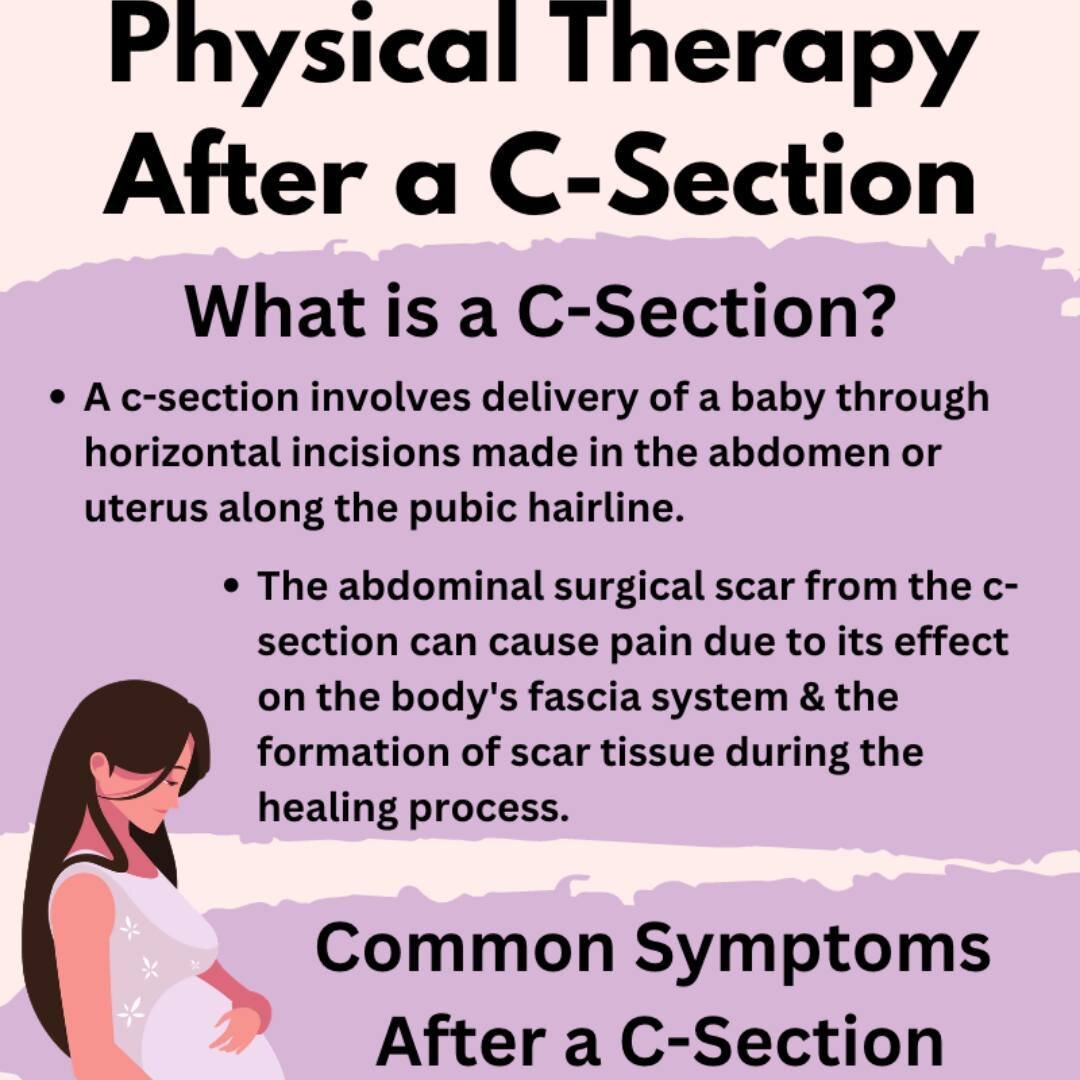
Physical Therapy After a C-Section Delivery
Having a baby is a joyful, special event in the life of a mother. However, the process of delivery and recovery post-delivery can be challenging, particularly if a mother has undergone a c-section delivery. Women may experience pain at the c-section incision site, low back pain, urinary continence, and pelvic floor muscle weakness following a c-section. Physical therapists can provide women customized physical therapy treatment to address these issues, relieving incision pain through soft tissue mobilization techniques and strengthening the core, back, and pelvic floor muscles through an exercise program.

How Exercise Can Help You Fight Osteoporosis
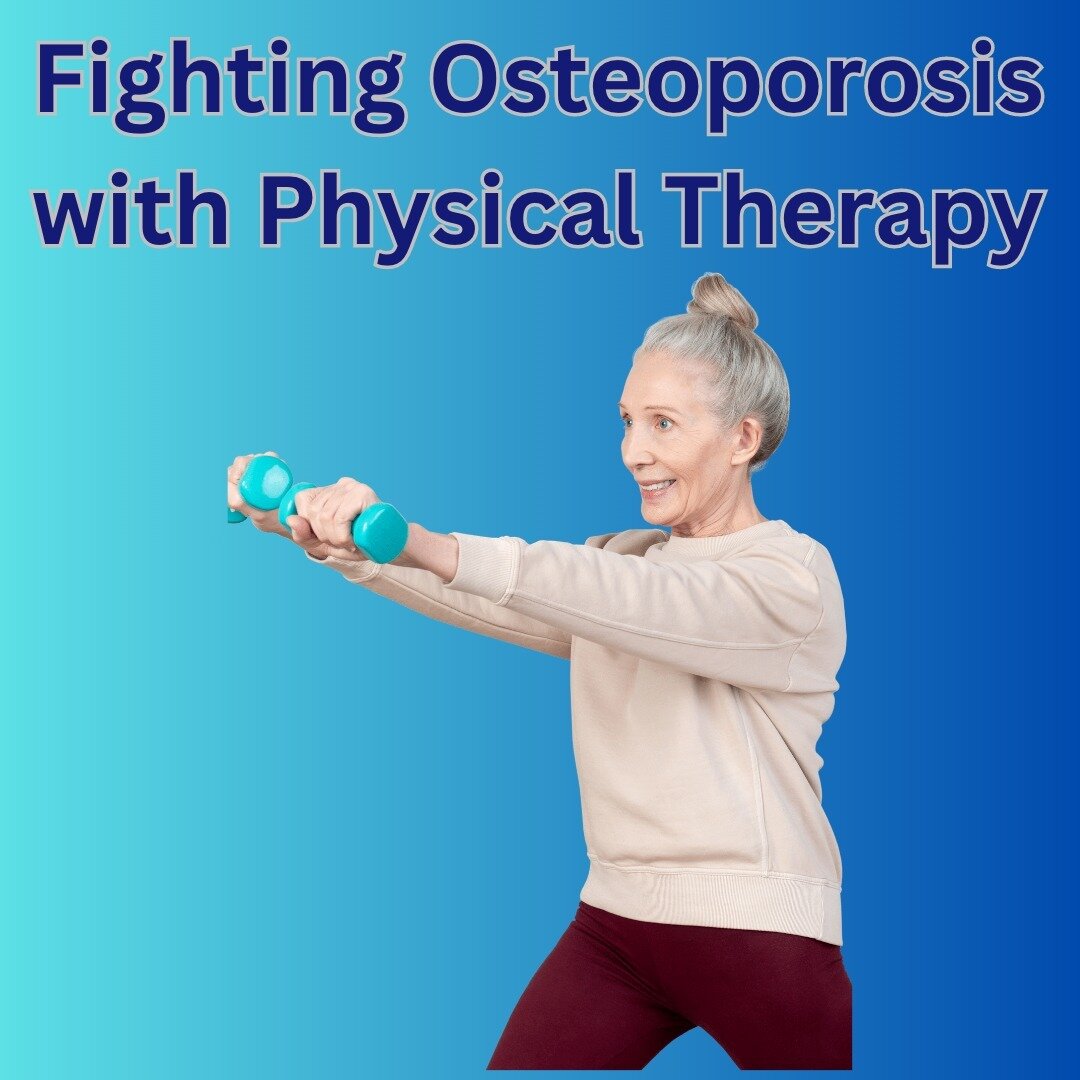
May is National Osteoporosis Awareness Month. Osteoporosis is a bone condition that causes thin, fragile bones, leading to an increased risk of bone fractures. Osteoporosis is a preventable disease that largely impacts women, who account for 80% of individuals with the condition. Exercise plays a critical role in preventing and managing osteoporosis. Exercise improves bone density, building stronger bones, helping maintain bone health, and slowing and preventing bone loss. If diagnosed with osteoporosis, it is crucial to safely engage in targeted exercise with your physical therapist, including balance training, weight-bearing aerobics, and strength training.

Physical Therapy for Achilles Tendonitis Infographic
Achilles tendonitis is an inflammation of the Achilles tendon, often due to repetitive stress on the tendon or a sudden increase in the amount or intensity of exercise that places too much stress on the Achilles tendon. Physical therapy helps decrease pain and swelling of the tendon, strengthens the affected area, improves flexibility and mobility, and helps individuals return to activity safely. Check out our infographic to learn more!
Follow us on Social Media