Mangiarelli Rehabilitation Physical Therapy Blog
![Patellofemoral Pain Syndrome [Infographic]](https://images.squarespace-cdn.com/content/v1/5e419cdc97af032560004b99/1615820902970-6YMWXV50OIG4Y0FI2XV5/1.jpg)
Patellofemoral Pain Syndrome [Infographic]
Patellofemoral pain syndrome (PFPS) is one of the most common types of knee pain, causing pain at the front of the knee and under and around the kneecap. Known as runner’s knee, it often occurs in athletes following a sudden increase and intensity in training. Physical therapy provides effective treatment to address PFPS and improve function and mobility through a customized exercise therapy program. Check out our infographic on patellofemoral pain syndrome to learn more!

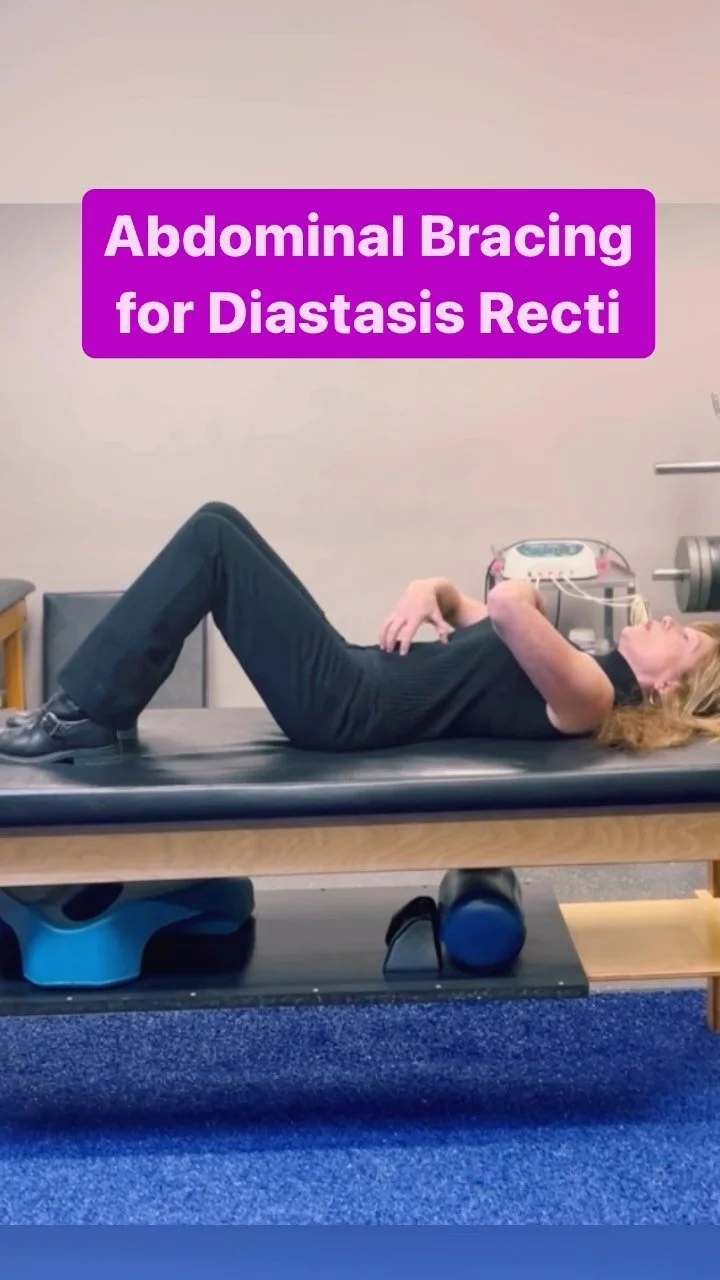
Physical Therapy for Postpartum Diastasis Recti
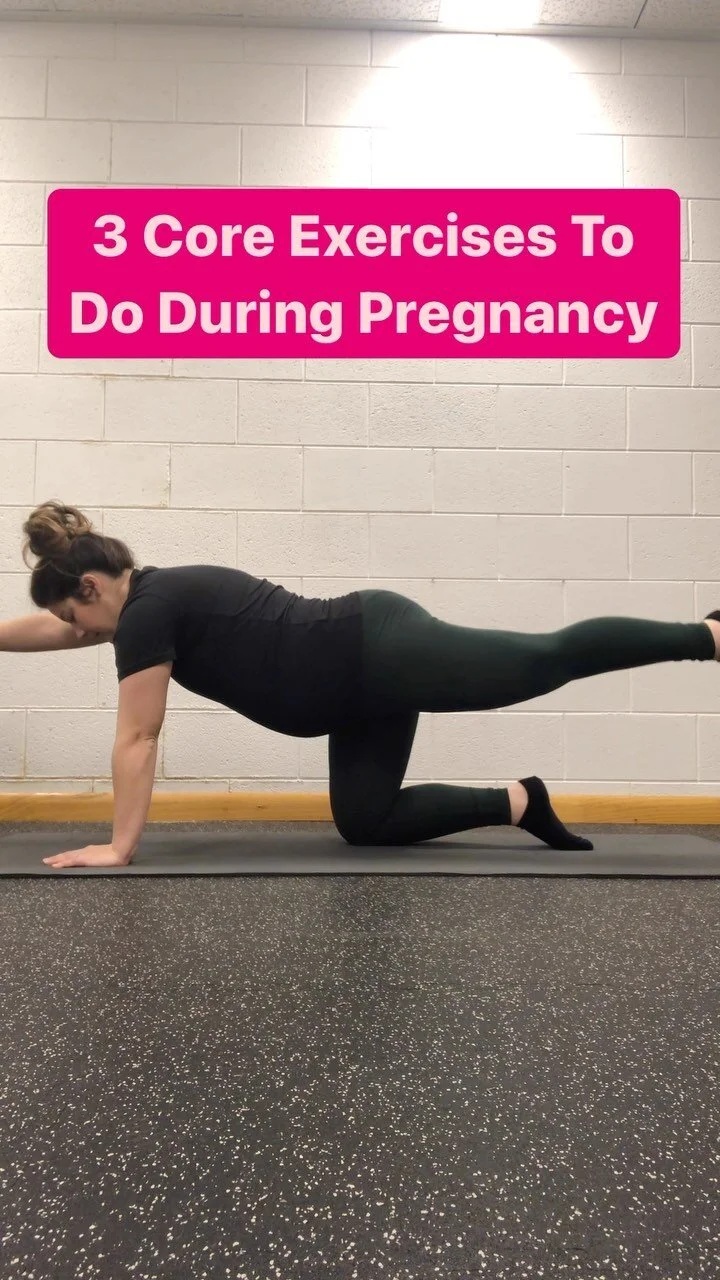
Diastasis Recti is a common condition that can affect women during and after pregnancy. It involves the separation of the rectus abdominis muscle, causing the connective tissue to stretch and resulting in weakness in the midsection and a visible, palpable gap in the abdominal muscle. Physical therapy offers safe, effective treatment for diastasis recti to improve strength, control, and function of the abdominal muscles. On the blog, physical therapist, Jen, and PTA, Patti, demonstrate safe exercises to address diastasis recti.

#NationalNutritionMonth: The Role of Nutrition in Injury Recovery
March is #NationalNutritionMonth, a month to focus on building a balanced, nutrient-dense diet personalized to your specific needs, tastes, and health goals. As physical therapists working with patients as they recover from surgery and injury, we recognize that nutrition can play an important role in your recovery. Adequate nutrition during recovery from an injury can help to control inflammation, provide the necessary nutrients to rebuild and restore injured tissue, decrease the risk of muscle atrophy, and preserve muscle strength.

Lymphedema Treatment at Mangiarelli Rehabilitation
Lymphedema is a condition that results in chronic swelling due to an abnormal collection of fluid just below the skin, limiting mobility and causing aching in the affected limb. Physical therapy provides effective treatment and management of lymphedema through complete decongestive therapy. In today’s blog, Mangiarelli Rehabilitation Certified Lymphedema Therapist, Sue, explains what lymphedema is and how it is treated through complete decongestive therapy (CDT).

March 2021 Newsletter
Check out our March 2021 Newsletter with updates on total joint replacement rehabilitation, treatment for wrist and hand injuries, how to improve your ankle mobility with physical therapist Bobby, and celebrating #NationalNurtritionMonth.

How To Improve Your Ankle Mobility
Today, Mangiarelli Rehabilitation physical therapist, Bobby, demonstrates three exercises to improve ankle mobility. The ankle is a hinge joint connecting the foot and lower leg that allows our foot to move through a wide range of motion and perform daily activities of walking, squatting, and climbing stairs. Ankle mobility is critical to not only accommodate movement, acceleration, and sudden changes of direction in daily tasks and sports, but also takes stress off of and prevents injury in the knees, legs, and hips.
Physical Therapy for Groin Injuries
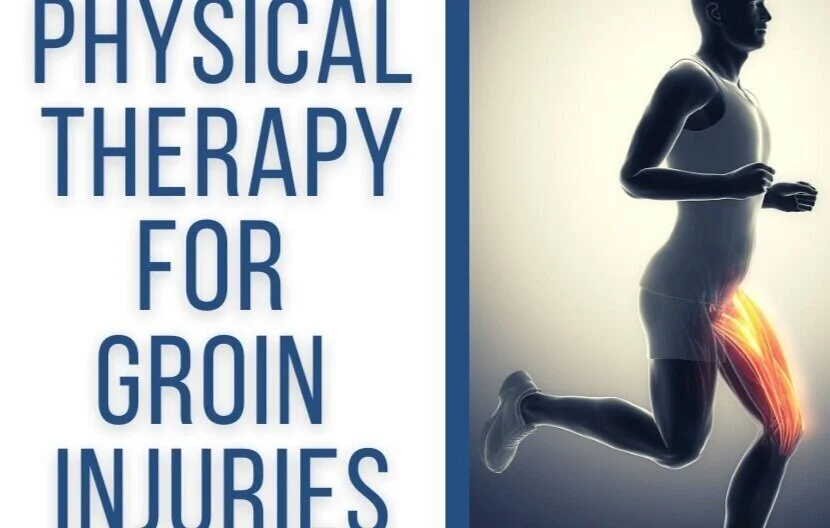
Groin pain is often related to a strain or tear of the groin muscles, a complex of muscles that support movement of the hip joint. Groin injury is common in athletes, resulting from quick starts and stops, sudden trauma on the field, and repetitive overuse. Physical therapy can provide effective treatment for groin injuries, reducing pain and gradually improving muscle strength, mobility, and agility through a customized rehabilitation program.

Physical Therapy for Wrist and Hand Injuries
Wrist and hand injuries are common as the complex structure of the wrist and hand are susceptible to irritation from overuse at work or sport or from excessive force placed on the wrist or hand when breaking a fall. Physical therapy is an effective treatment for wrist and hand injuries, helping control swelling and restoring range of motion, strength, and ability in the wrist and hand through manual therapy, therapeutic exercise, and functional training.

10 Tips for a Healthy Back
Back pain is one of the most common reasons people seek physical therapy. Nearly 80% of Americans will experience back pain at some point in their life. However, there are numerous ways to support spinal health and prevent back pain, such as regular exercise, an ergonomic workspace, physical therapy, and proper lifting techniques. Check out our latest blog for our 10 Tips for a Healthy Back!

Temporomandibular Joint Disorder (TMD) Infographic
The jaw joint is one of the most complex joints in the human body, allowing you to open your mouth, chew, talk, and yawn. Temporomandibular joint disorder (TMD) is a disorder of the temporomandibular joint (TMJ), which is a hinge joint that connects the jaw to the skull in front of each ear. Physical therapy offers a non-invasive treatment option for TMD that can ease pain, restore normal jaw movement, and lessen daily stress on the jaw.

Total Joint Replacement Rehabilitation
Total joint replacement surgery is a major surgery requiring careful preparation and an effective post-surgical rehabilitation program to ensure pain-free function and mobility of the joint. Total joint replacement surgery removed the entirety of the damaged joint, replacing it with artificial parts to maintain joint function. Physical therapy plays a critical role in successful rehabilitation of the new joint and restoring movement, strength, flexibility, and range of motion to the joint for a timely return to daily activities, work, and sport.

#NationalHeartMonth: Physical Therapy for Cardiovascular Health
February is #NationalHeartMonth, a month to highlight the importance of cardiovascular health and effective ways to prevent and address cardiovascular disease. Cardiovascular disease is the leading cause of death in the United States; however, it is preventable through lifestyle choices, including exercise which prevents the onset and development of cardiovascular disease. Physical therapists help individuals exercise safely and effectively, designing a customized exercise program to prevent cardiovascular disease and using exercise as a therapeutic tool to improve the fitness and aerobic capacity of cardiovascular disease patients.

February 2021 Newsletter
Check out our February 2021 Newsletter with updates of our newest infographic on the difference between a pulled muscle and a pinched nerve; a deep dive into treatment for patellofemoral pain syndrome; an exploration of Turf Toe, a common football-related injury; and in celebration of #nationalheartmonth, a look at ways to improve your cardiovascular health.

Physical Therapy for Turf Toe
Turf toe is a common injury among athletes who compete on artificial turf. Turf toe occurs when the big toe is forced into extreme positions of hyperextension, causing a sprain in the main joint of the big toe. Turf toe can happen when an athlete pushes off to sprint or is tackled with the front of the foot fixed and jammed into the ground. Physical therapy is key to avert and limit stiffness in the big toe and safely heal and strengthen the injured area.

Common Swimming Injuries: Prevention and Treatment
Competitive swimming can place swimmers at a higher risk of shoulder pain due to the repetitive overhead motion required. The majority of swimming injuries are related to the shoulder, although injuries to the neck, back, and knee are also common. Physical therapy addresses these injuries through sport-specific training and a comprehensive rehabilitation program to improve strength, endurance, mobility, and stability.

Physical Therapy for Biceps Tendinitis
Biceps tendinitis is a common cause of shoulder pain that develops due to repetitive, overhead movements that irritate and inflame the biceps tendon in the shoulder joint. Biceps tendinitis is often associated with a sharp pain in the front of the shoulder that worsens when engaging in an activity requiring overhead motion. Physical therapy is an effective treatment for biceps tendinitis involving pain management, manual therapy, activity modification, postural education, and therapeutic exercise to regain strength, coordination, and range of motion in the shoulder.
![Pulled Muscle vs. Pinched Nerve [Infographic]](https://images.squarespace-cdn.com/content/v1/5e419cdc97af032560004b99/1611066175350-N1AZ3VBB7OAOTIQ8UNXM/1.jpg)
Pulled Muscle vs. Pinched Nerve [Infographic]
How do you know whether you’re suffering from a pulled muscle or a pinched nerve? Both a pulled muscle or a pinched nerve may cause severe pain and limit your mobility, function, and ability to complete daily tasks. Being able to ascertain the difference between a pinched nerve and a pulled muscle is critical to ensure you receive the correct treatment and return to your activities quickly and safely.

10 Tips for an Ergonomic Workstation
This past year brought a number of sweeping changes to our work and home lives, including the rise of remote work and extensive technology use, which will likely continue into the foreseeable future. While there are many benefits and advantages to technology use for remote work, it can also contribute to poor posture and subsequent back, neck, and wrist pain. Check out our ten tips for an ergonomic workstation to prevent work-related aches and pains!

Physical Therapy Treatment for Hamstring Strain Injuries
Hamstring strain injuries are common musculoskeletal injuries among athletes of all levels, resulting when one or more of the three hamstring muscles or tendons are strained or torn. The hamstring muscle group is critical for lower body movement and allows for straightening of the hip and bending of the knee. Physical therapy plays a critical role in properly rehabilitating hamstring strain injuries and preventing an acute hamstring strain injury from becoming chronic through a structured therapeutic exercise program.

Patellofemoral Pain Syndrome Physical Therapy Treatment
Check out our latest blog on physical therapy treatment for Patellofemoral Pain Syndrome! Patellofemoral pain syndrome (PFPS) is one of the most common types of knee pain, causing pain at the front of the knee and under and around the kneecap. Physical therapists treat PFPS with a customized exercise rehabilitation program, targeting specific muscles of the hip and knee to reduce pain and retrain hip and knee movement patterns.
Follow us on Social Media